ADHD and depression

Updated April 9, 2026
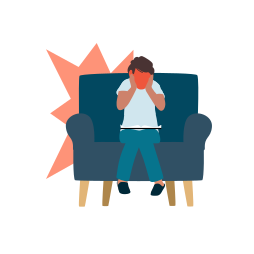
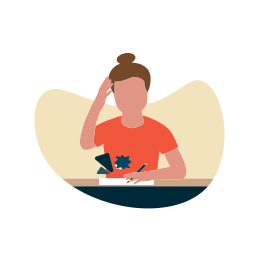
ADHD doesn’t cause depression, but the two conditions often occur together. Kids with are much more likely to be depressed than kids who don’t have ADHD. That’s especially true as they hit the teen years.
Why do these conditions often co-occur? One reason is that ADHD can create a lot of challenges for kids, and those challenges can lead to depression. School and behavior problems can wear down their self-esteem. Trouble with social skills can make them feel isolated.
Some people with ADHD may also be “pre-wired” for depression. ADHD involves differences in brain chemistry. And some of these differences may make people more likely to feel depressed.
ADHD also often co-occurs with anxiety and substance abuse. Both of these can increase the risk of depression. Researchers are looking into other things that may make kids and teens with ADHD more likely to be depressed. These include gender, family history, and age of ADHD diagnosis.
It’s important to take signs of depression or talk of hopelessness seriously. Young people who have both ADHD and depression also have a higher risk of suicide than young people who only have one of these conditions.
Signs of depression in kids with ADHD
Depression in kids with ADHD can look the way depression looks in any young person. Depression symptoms include:
Feeling very “down” (or what doctors call a “low mood”)
Withdrawing from friends and losing interest in favorite activities
Getting very irritated or angry over minor things
Trouble focusing
Not doing homework or going to school
Changes in sleeping or eating patterns
Talking about feeling hopeless, helpless, or suicidal
Depression can also make ADHD behaviors more intense. For example, kids may seem even more distracted or disorganized. They may also get frustrated more easily and act out more.
Learn more about signs of depression.
Therapy for ADHD and depression
There are ways to treat ADHD and depression in kids, including different types of therapy. Cognitive behavioral therapy (CBT) is a type of talk therapy that's commonly used to treat depression, anxiety, and other mental health issues.
Behavior therapy is designed to help with ADHD. Many kids have the best response if they combine therapy and medication.
For ADHD, learn about behavior therapy.
For depression, learn about cognitive behavioral therapy.
Medication for ADHD and depression
Many kids, teens, and young adults take ADHD medication. Some may also take antidepressants. With the right approach, this can be done safely and effectively. But two drugs might not be needed.
Parents and caregivers should talk to their child’s health care provider or therapist about the best way to treat symptoms of ADHD and depression.
Be aware that some kids may try to self-medicate. Tweens or teens with ADHD who feel depressed may try to improve their mood by using alcohol or drugs. They may think marijuana helps them feel better or function better. But studies show that marijuana can worsen ADHD symptoms, including trouble with and .
Learn more about ADHD medication and self-medicating with marijuana.
Overlapping symptoms and misdiagnosis
Sometimes depression can be misdiagnosed as ADHD, and vice versa. That’s because they can look similar on the surface. But here are some key differences:
Kids who are depressed feel despair and hopelessness. They often have little energy and lose interest in socializing. A dark mood can last for weeks or even months.
Kids who have ADHD but aren’t depressed tend to be frustrated and even angry about the challenges they’re facing. They may struggle to get along with peers but still crave the chance to socialize.
Find out what families can do if they think their child might have been misdiagnosed.
See what ADHD feels like
Meet Pedro, a middle schooler with ADHD. Hear firsthand from him and his family about how they navigate life together with confidence.
Need strategies and tools? Get ADHD resources now